

Topic: Featured
 Featured
Thanksgiving Kitchen Safety: How to Prevent Cooking Fires, Turkey Fryer Accidents and Burns
Thanksgiving fills the house with family, food and a busy kitchen. It is also the peak day of the year for home cooking fires.¹ At PHI Cares, we want every family to enjoy the holiday safely, so here is what fire safety, food safety and first aid experts recommend. Traveling?...
Read more
Extreme Heat Safety: How to Recognize and Respond to a Heat Emergency
Extreme heat safety deserves a place at the top of every household checklist in August. Late summer brings the hottest and most humid stretch of the year for much of the country. The Centers for Disease Control and Prevention reports that more than 700 people die from extreme heat every...
Read more
Monsoon Safety: Lightning, Flash Floods, and Dust Storms in Late Summer
Monsoon safety becomes a daily topic across the Southwest every August, when afternoon skies build from clear blue to towering storm clouds in under an hour. The monsoon arrives when seasonal moisture meets extreme summer heat, creating the conditions for heavy rain, high winds, lightning, dust storms, and flash floods.1...
Read more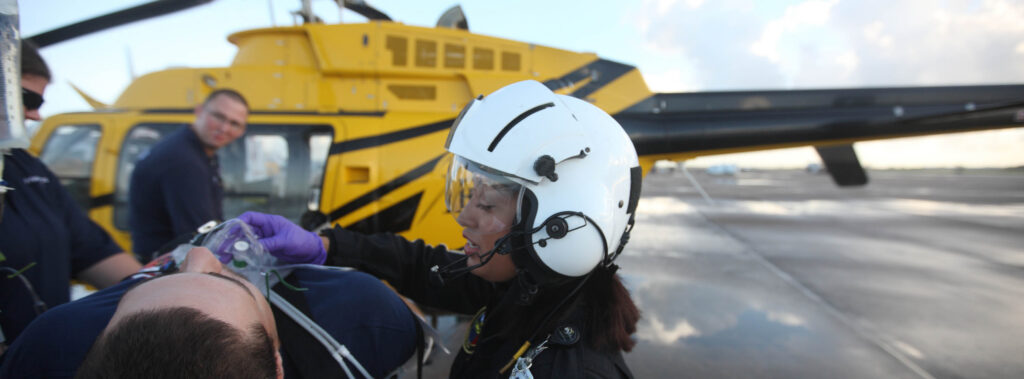
Honoring the Power of Nurses: How PHI Air Medical Flight Nurses Bring ICU-Level Care to the Sky
Medically reviewed by James “Trae” Bane, BSN, CFRN, CMTE, Director of Clinical Standards, PHI Air Medical. Last reviewed May 5, 2026. National Nurses Week celebrates the profession Americans rate highest for honesty and ethics. Nurses have held the top spot in Gallup’s honesty and ethics ratings for a quarter century,...
Read more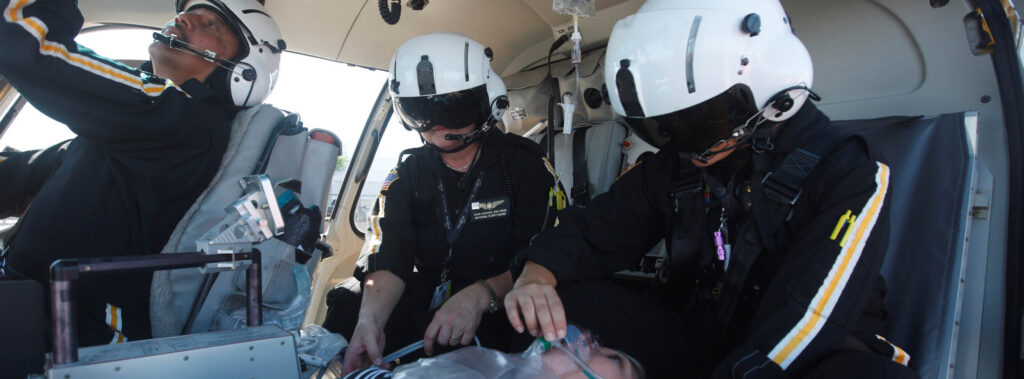
High-Risk Pregnancy Air Transport: How PHI Air Medical and PHI Cares Protect Families
When a high-risk pregnancy complication strikes in a rural community, minutes matter. Severe preeclampsia, placental abruption, premature labor and postpartum hemorrhage can all get worse quickly, and the nearest hospital may not offer the maternal-fetal medicine or Level III or IV NICU care that a mother and baby need. PHI...
Read more