
Monsoon Safety: Lightning, Flash Floods, and Dust Storms in Late Summer
Monsoon Safety: Lightning, Flash Floods, and Dust Storms in Late Summer

Monsoon safety becomes a daily topic across the Southwest every August, when afternoon skies build from clear blue to towering storm clouds in under an hour. The monsoon arrives when seasonal moisture meets extreme summer heat, creating the conditions for heavy rain, high winds, lightning, dust storms, and flash floods.1 In Arizona, the season runs from mid-June through the end of September, and August typically sits right in its most active stretch.1
Storms this dramatic reward preparation. This monsoon safety guide covers the three hazards responsible for most storm emergencies: lightning, flash flooding, and dust storms, along with the household planning that keeps late-summer adventures on track. We also look at how emergency response works in storm-prone rural areas and how a PHI Cares Membership helps your household prepare for the unexpected with $0 out-of-pocket responsibility for medically necessary flights by PHI Air Medical or a cooperative partner.
Lightning: When Thunder Roars, Go Indoors
Every thunderstorm produces lightning, and lightning is unpredictable: it can strike 10 to 15 miles away from the storm itself, well beyond the rain.2 Thunderstorms generate an estimated 20 to 25 million cloud-to-ground lightning flashes in the United States each year, and based on cases documented by the National Weather Service, about 30 people are killed by lightning annually.3 That is why the National Weather Service teaches one simple rule: when thunder roars, go indoors. If you can hear thunder, you are close enough to be struck.
The National Weather Service recommends building lightning decisions into your plans before you head out:3
- Check the forecast and postpone or cancel outdoor activities early when thunderstorms are expected
- At the first rumble of thunder, move everyone into a substantial building or a hard-topped metal vehicle
- Stay away from open fields, hilltops, tall isolated trees, water, and metal fences during storms
- Wait about 30 minutes after the last thunder before resuming outdoor activities
Coaches, hikers, golfers, and anyone supervising outdoor groups should designate a safe shelter location in advance, because storms during the monsoon can develop faster than a group can improvise.3
Flash Floods: Turn Around, Don’t Drown
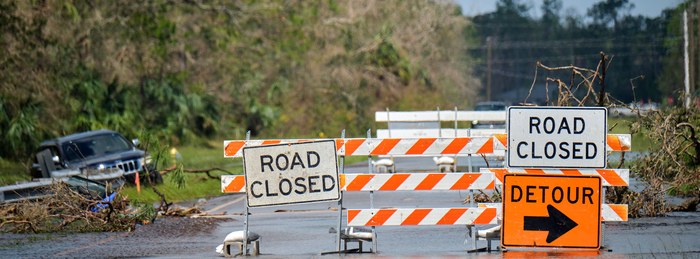
Monsoon downpours drop enormous amounts of rain in a short window, and desert ground sheds that water fast. Normally dry washes and low crossings can fill within minutes, sometimes from a storm miles away under sunny local skies. Flooding is a coast-to-coast threat, and knowing what to do before, during, and after a flood dramatically improves your odds of staying safe.4
The single most important monsoon safety rule involves your vehicle. Most flash flood deaths occur in vehicles, which is why the National Weather Service created the slogan Turn Around, Don’t Drown.5 Water depth is nearly impossible to judge from the driver’s seat, the roadbed underneath may already be washed out, and fast-moving water carries far more force than most drivers expect. Never drive into water covering a roadway. Choose another route, even when the detour is inconvenient, and be extra cautious at night when flood dangers are harder to see.5
Dust Storms: Pull Aside, Stay Alive
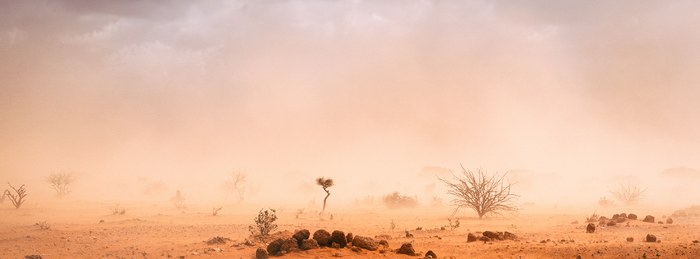
Strong monsoon winds can generate large downbursts that lift dense walls of dust, cutting highway visibility to near zero in seconds.1 If a dust storm overtakes you while driving, follow the guidance Arizona’s emergency officials summarize as Pull Aside, Stay Alive: pull your vehicle completely off the roadway, put it in park, turn off your lights, take your foot off the brake, and remain inside with seat belts fastened until the storm passes.1 Turning lights off matters because drivers in the dust cloud tend to follow taillights, and you do not want traffic steering toward your parked car.
Monsoon Safety Planning for Your Household
A few preparations before the next storm cycle make every August afternoon easier:
- Sign up for local weather alerts and check the forecast before outdoor plans, especially for afternoon and evening hours when monsoon storms peak
- Identify safe shelter at the places your family spends time: home, work, practice fields, and favorite trails
- Keep an emergency kit in each vehicle with water, a flashlight, a phone charger, and a first-aid kit
- Walk your property before the season: clear drainage paths, secure loose outdoor items that high winds can throw, and trim weak tree limbs
- Talk through the family plan so children know where to go when thunder starts
High Winds, Downbursts, and Early-Season Wildfire Risk
Monsoon storms that build quickly can generate powerful downdrafts and straight-line winds strong enough to snap tree limbs, topple power poles, and turn patio furniture into projectiles.1 Before storms arrive, secure or store loose outdoor items and park vehicles away from weak trees. If high winds hit while you are driving, slow down, grip the wheel firmly, and give extra space to high-profile vehicles like trucks and trailers, which catch the wind. The season’s opening weeks carry one more hazard worth knowing: early monsoon thunderstorms often produce abundant lightning with little rainfall, plus gusty, erratic winds, a combination that has historically sparked and spread some of the Southwest’s largest wildfires.5 Treat smoke on the horizon with the same respect as storm clouds, and follow local fire restrictions closely in early summer.
After the Storm Passes
The end of the rain does not end the hazards. Washes and low crossings can keep running hard long after skies clear, since floodwater travels downstream from wherever the storm actually fell, so continue to avoid flooded areas rather than assuming they have drained.4 Stay far away from downed power lines and report them to your utility. Check on neighbors, especially older adults who may have lost cooling during a power outage on a hot afternoon, and photograph any property damage before you start cleanup. If a monsoon knocks out power for an extended stretch, remember that August heat continues indoors: a home without air conditioning can climb to dangerous temperatures, so have a backup plan for where your household will cool off.
Storm Emergencies in Rural Communities

Monsoon hazards concentrate in exactly the places where hospitals sit farthest apart: desert highways, ranch land, canyon trail systems, and small towns. When lightning strikes a person, a vehicle washes off a crossing, or a storm-related crash causes serious injuries, 911 dispatchers evaluate the situation and may determine that emergency air medical transport offers the fastest route to advanced care. PHI Air Medical has 70 membership bases from coast to coast, with aircraft and crews equipped to serve diverse environments, from deserts and mountains to rural farmland.6 Crews include experienced pilots and trained medical personnel who care for critically ill and injured patients during transport, and dispatch teams monitor weather conditions continuously as part of safe flight operations.
You can see the regions PHI Cares serves on our coverage map, and our earlier post explains how to read the PHI Air Medical coverage map in detail. Emergency air transport may result in significant out-of-pocket responsibility depending on the situation and your insurance plan, which is where membership makes the difference.
How PHI Cares Membership Strengthens Your Storm Season Plan
PHI Cares helps households prepare for unexpected emergency transport situations. Members pay $0 out of pocket for medically necessary flights by PHI Air Medical or a cooperative partner: PHI Cares works with your insurance provider and accepts the insurance payment as payment-in-full, according to membership terms. One household membership includes your spouse, dependents living at the same address, and up to 3 additional people at the same address.
Family Trax, PHI’s real-time transport tracking service, is included with membership at no additional cost. If a loved one is ever flown, the medical crew provides a Family Trax link so your family can follow the flight to the receiving facility, which brings welcome clarity during a stressful moment.
Coverage begins 5 days after enrollment, so joining before the next round of storms builds in real preparedness. Explore options on our memberships page, and enjoy the rest of monsoon season, spectacular sunsets included, with greater peace of mind.
Frequently Asked Questions About Monsoon Safety
When is monsoon season and when is it most active?
In Arizona, monsoon season runs from mid-June through the end of September, with storms typically most frequent during July and August.1 Afternoon and evening hours see the most activity, so plan outdoor time for mornings when storms are in the forecast.
How far away can lightning strike from a storm?
Lightning can strike 10 to 15 miles from the storm, which means it can reach you before rain arrives and after it ends.2 If you hear thunder, head indoors or into a hard-topped vehicle, and wait about 30 minutes after the last thunder before going back outside.3
Why is driving through a flooded road so dangerous?
Most flash flood deaths occur in vehicles.5 Flowing water hides its depth and its force, and the road surface beneath may already be gone. The National Weather Service’s guidance is simple and worth repeating to every driver in your household: Turn Around, Don’t Drown.5
What should I keep in my vehicle during monsoon season?
Build a small kit for each vehicle: bottled water, a flashlight with fresh batteries, a phone charger or power bank, a basic first-aid kit, a few shelf-stable snacks, and a blanket or towel. Add a paper map of your region, since storms can knock out cell coverage exactly when you need a detour around a flooded crossing. The kit costs little, takes up half a trunk corner, and turns an uncomfortable roadside wait during a dust storm or washout into a manageable one.
Who can enroll in PHI Cares, and what should members do after a flight?
Most households in a PHI Cares service area can enroll; one plan includes your spouse, dependents at your address, and up to 3 additional people at the same address, according to membership terms. Federal law does not permit Medicaid participants to enroll in air medical membership programs; see the PHI Cares FAQ page for current eligibility details. In any emergency, call 911 first. After a transport, contact the PHI Cares Membership Department to let us know a member has been flown so we can work directly with your insurance provider.
Monsoon season delivers some of the year’s most dramatic weather. Respect the lightning, honor the flooded crossings, pull aside for the dust, and let a PHI Cares Membership round out your household’s late-summer preparedness.
Membership in the PHI Cares Program is not an insurance product. PHI Cares does not cover and will not pay or reimburse you for services performed by any other air medical transport services provider or any ground ambulance services provider.
Sources
1 Arizona Emergency Information Network. Monsoon Awareness. https://ein.az.gov/monsoon-awareness-0
2 National Weather Service. Lightning Safety Overview. https://www.weather.gov/safety/lightning-safety-overview
3 National Weather Service. Lightning Safety and Outdoor Sports Activities. https://www.weather.gov/safety/lightning-sports
4 National Weather Service. Flood Safety Tips and Resources. https://www.weather.gov/safety/flood
5 National Weather Service, Phoenix. Monsoon Awareness Week Daily Topics. https://www.weather.gov/psr/MonsoonAwarenessWeek
6 PHI Air Medical. Official website. https://phiairmedical.com/