
Falls Prevention Awareness Week: A Room-by-Room Plan for Older Adults
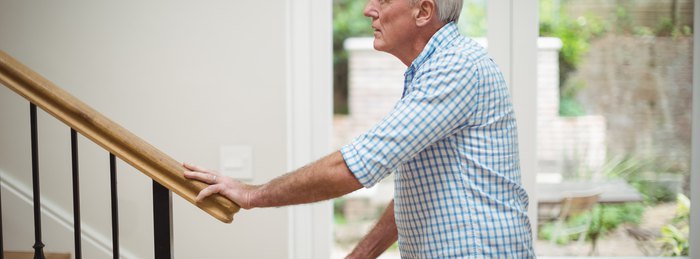
Falls Prevention Awareness Week runs September 21–25, 2026, and it opens on the first day of autumn for a reason. The National Council on Aging coordinates the observance through its National Falls Prevention Resource Center.¹ The message is direct. Falls are common, but they are not an inevitable part of aging. Small changes at home and in the medicine cabinet meaningfully reduce risk.
In this guide, we walk through the numbers and the risk factors clinicians actually screen for. We also provide a room-by-room home checklist and explain what to do in the minutes after a fall. Finally, we cover when a fall becomes an air medical emergency, and how a PHI Cares Membership helps households prepare with $0 out-of-pocket responsibility for medically necessary flights by PHI Air Medical or a cooperative partner.
Why Falls Prevention Awareness Week Matters
The scale is easy to underestimate. More than one out of four adults aged 65 and older falls each year, and fewer than half tell their doctor.² Falls send about 3 million older adults to emergency departments annually. They also lead to roughly 1 million hospitalizations.² Nearly 319,000 older people are hospitalized for hip fractures each year, and falls cause the great majority of them.²
Falls are also the most common cause of traumatic brain injury.² A head strike matters even more when someone takes a blood thinner. Bleeding inside the skull can develop hours after the fall, often with few outward signs.
One more figure changes how families should think about a first fall. Falling once doubles the chance of falling again.² That makes the first fall a signal rather than an isolated accident.
Autumn adds seasonal risk on top of that baseline. Daylight fades earlier, wet leaves turn walkways slick, and the first frost catches people off guard. Consequently, September is a practical time to make changes rather than a symbolic one.
Falls are preventable, not inevitable
The reason Falls Prevention Awareness Week exists is that the leading risk factors respond to intervention. The CDC groups them into a short list, and most can be changed:²
- Lower body weakness
- Vitamin D deficiency
- Difficulty with walking and balance
- Medications, including some over-the-counter products, that affect balance
- Vision problems
- Foot pain or poor footwear
- Home hazards such as broken steps, clutter, and loose rugs
Most falls result from a combination of these. The more risk factors present, the higher the chance of a fall, which also means removing even two or three moves the needle.
Talk to a Clinician: The Conversation That Prevents Falls

The CDC created the STEADI initiative to help providers screen for fall risk, assess it, and intervene during routine primary care visits.³ Patients can start that conversation themselves.
Bring three things to the next appointment:
- A complete medication list, including over-the-counter products and supplements. Ask specifically whether any of them cause dizziness or drowsiness.
- An honest account of near misses. Grabbing furniture, feeling unsteady on standing, or avoiding stairs all count.
- A question about vitamin D and vision. Ask whether supplementation is appropriate and when the last eye exam happened.
Ask directly: “Am I at risk of falling, and what should I change?” Because fewer than half of older adults who fall report it, the clinician may not know unless you say so.²
Strength and balance work does the heavy lifting
Evidence-based exercise programs improve strength, gait, and balance, and NCOA maintains a directory of community programs offered through senior centers, YMCAs, and area agencies on aging.¹ Tai chi, Otago, and similar programs consistently show benefit. Two or three sessions a week, sustained over months, matter more than intensity.
A Room-by-Room Home Safety Checklist
Most falls happen at home, during ordinary activities. Walk the house with fresh eyes during Falls Prevention Awareness Week.
- Entryways and stairs. Repair loose or broken steps. Install handrails on both sides of every staircase, running the full length. Improve lighting at the top and bottom. Remove or secure the throw rug at the door.
- Living areas. Clear walking paths of cords, magazine racks, and footstools. Remove throw rugs or secure them with double-sided tape. Arrange furniture so there is a clear route to the bathroom at night.
- Bathrooms. Add grab bars beside the toilet and inside the tub or shower, anchored into studs rather than drywall. Use a non-slip mat. Consider a shower chair and a handheld shower head. Never use a towel bar for support.
- Bedrooms. Keep a lamp or touch light within reach of the bed. Add motion-sensor night lights along the route to the bathroom. Keep the phone within reach, and keep slippers with backs and non-slip soles nearby.
- Kitchen. Move everyday items to waist height. Retire the step stool, or replace it with a sturdy one with a handrail. Clean spills right away.
- Outdoors. Fix uneven walkways, clear leaves, and add lighting along paths. In autumn, wet leaves are as slick as ice.
Footwear and vision deserve their own line
Replace worn slippers and backless shoes with supportive footwear that has non-slip soles and a firm heel counter. Schedule an annual eye exam, and be careful with bifocals or progressive lenses on stairs, since they distort depth perception at exactly the wrong moment.
What to Do in the First Minutes After a Fall

Do not rush to stand. Take a moment to assess for pain, especially in the hip, wrist, shoulder, or head. If the person can move without severe pain, roll to the side, crawl to a sturdy chair, and rise slowly using the chair for support.
Call 911 if any of the following apply:
- The person cannot get up, or cannot bear weight
- There is severe pain, an obvious deformity, or a suspected hip fracture
- The person hit their head, takes a blood thinner, or lost consciousness even briefly
- Confusion, slurred speech, weakness on one side, or a severe headache appears
- The person has been on the floor for an extended period
Even when the fall seems minor, report it to a clinician. A head strike in an older adult who takes anticoagulants warrants prompt evaluation, and our post on brain injury awareness explains why rapid access to advanced imaging and care matters.
When a Fall Becomes an Air Medical Emergency
Most falls do not require a helicopter. Some do. A serious head injury, a suspected spinal injury, or a complex hip fracture in a medically fragile patient may need a trauma center rather than the nearest community hospital.
Distance is the deciding factor for many rural households. When 911 dispatchers determine that a patient needs a higher level of care quickly, they may request air medical transport. PHI Air Medical operates 68 membership bases from coast to coast. Crews include experienced pilots and trained medical personnel who deliver critical care during transport.⁴ Our guide to trauma centers explains why patients are flown to specific facilities. Meanwhile, our post on rural resilience covers how those bases support small-town access to care.

How PHI Cares Membership Supports Older Households
Emergency air transport may result in significant out-of-pocket responsibility depending on the situation and your insurance plan. Financial responsibility can vary. A membership program lets families settle that question in advance.
PHI Cares helps households prepare for unexpected emergency transport situations. Members have $0 out-of-pocket responsibility for medically necessary flights by PHI Air Medical or a cooperative partner. PHI Cares works with your insurance provider and accepts the insurance payment as payment-in-full, according to membership terms.
One household membership includes your spouse, dependents living at the same address, and up to 3 additional people at the same address. Coverage begins 5 days after enrollment. Review options on our memberships page, and confirm your area is served using our coverage map.
PHI Cares members also receive a discount from Medical Guardian on medical alert devices. Members get 50% off the MGMini or MGHome Cellular and 2 free months of service on annual plans. The offer details and promo code are on the PHI Cares MORE page.
Three things adult children can do this week
- Walk the house together. Bring a screwdriver, a light bulb, and a roll of double-sided tape, and fix what you find that day.
- Review the medication list with a pharmacist or physician, and ask which items affect balance.
- Sort the medical and membership details. A one-page medical summary on the refrigerator, and enrollment reviewed before it is needed.
Frequently Asked Questions About Falls Prevention Awareness Week
When is Falls Prevention Awareness Week 2026?
Falls Prevention Awareness Week runs September 21–25, 2026, and Falls Prevention Awareness Day falls on the first day of autumn, September 22. The National Council on Aging coordinates the observance through its National Falls Prevention Resource Center.¹
How common are falls among older adults?
More than one in four adults aged 65 and older falls each year, and fewer than half tell their doctor. Falls lead to about 3 million emergency department visits and roughly 1 million hospitalizations annually among older adults.²
What are the most effective ways to prevent falls?
Strength and balance exercise, an annual medication review, an eye exam, adequate vitamin D, supportive footwear, and home modifications such as grab bars, handrails, and better lighting.² Combining several of these works better than any single change.
Should we call 911 after every fall?
Not every fall, but call 911 if the person cannot get up or bear weight, has severe pain or an obvious deformity, hit their head, takes a blood thinner, lost consciousness, or shows confusion or weakness. When in doubt, call and let the dispatcher decide the right response.
Does a PHI Cares Membership help after a serious fall?
Yes. If a medically necessary emergency transport is performed by PHI Air Medical or a cooperative partner, members have $0 out-of-pocket responsibility according to membership terms. After a transport, members should contact the PHI Cares Membership Department so we can coordinate directly with the insurance provider.
Who can enroll in PHI Cares?
Most households in a PHI Cares service area can enroll, and one plan includes your spouse, dependents at your address, and up to 3 additional people at the same address. Federal law does not permit Medicaid participants to enroll in air medical membership programs. See the PHI Cares FAQ page for details and current eligibility information.
Falls Prevention Awareness Week is a good deadline for work that otherwise never gets scheduled. Pick a Saturday, walk the house, book the appointments, and give your household one fewer thing to worry about this autumn.
Membership in the PHI Cares Program is not an insurance product. PHI Cares does not cover and will not pay or reimburse you for services performed by any other air medical transport services provider or any ground ambulance services provider.
Sources
¹ National Council on Aging. Falls Prevention Awareness Week. ncoa.org
² Centers for Disease Control and Prevention. Facts About Falls. cdc.gov
³ Centers for Disease Control and Prevention. STEADI — Older Adult Fall Prevention. cdc.gov
⁴ PHI Air Medical. Official website. phiairmedical.com