
Brain Injury Awareness Month: Why Rapid Access to Advanced Care Matters
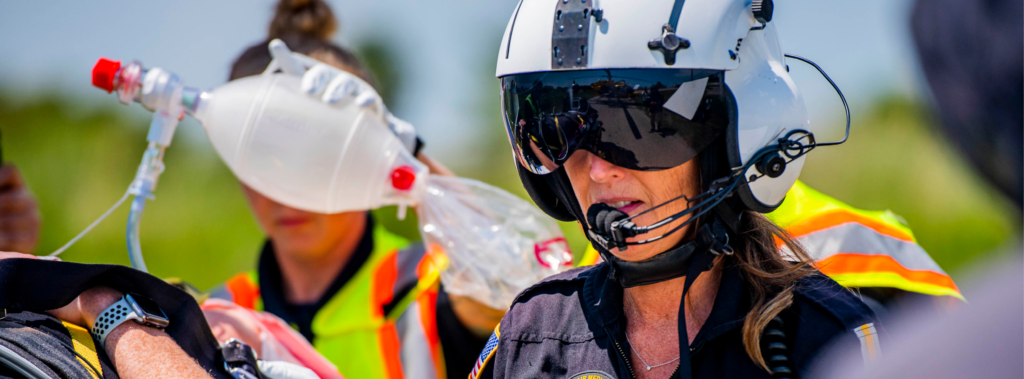 Every March, Brain Injury Awareness Month brings national attention to the impact of traumatic brain injuries on patients, families, and communities.3 A head injury can occur in seconds during a vehicle crash, a fall, a sports collision, or a workplace incident.
One moment, someone moves through a normal day. The next moment, an accident creates a medical emergency.
Medical professionals treat traumatic brain injuries as urgent medical conditions because the brain controls breathing, movement, memory, and other essential body functions. Doctors emphasize one critical factor after a serious head injury: how quickly a patient receives advanced medical care.
When medical teams evaluate a patient quickly and begin treatment immediately, the chances of survival and recovery improve significantly.1
Emergency responders across the United States coordinate care to reduce the time between injury and treatment. Paramedics, firefighters, emergency physicians, trauma teams, and air medical crews work together to move patients to the right hospital as quickly as possible.
In certain emergencies, air medical transport helps shorten the time needed to reach advanced care, particularly when distance, terrain, or traffic slows ground transportation.
What Is Brain Injury Awareness Month?
Brain Injury Awareness Month occurs every March and focuses on education about traumatic brain injuries, including their causes, symptoms, prevention, and treatment. Health experts encourage rapid medical evaluation after a head injury because early treatment can improve survival and recovery outcomes.3
Organizations across the United States use the month to raise awareness about brain injury prevention, treatment, and long-term recovery.
Education and awareness help communities recognize symptoms early and seek medical care quickly.
 What Is a Traumatic Brain Injury?
 What Is a Traumatic Brain Injury?
A traumatic brain injury (TBI) occurs when a bump, blow, jolt, or penetrating injury disrupts normal brain function.1
This type of injury can occur when the head strikes an object or when sudden motion causes the brain to move violently inside the skull.
Traumatic brain injuries range from mild concussions to severe trauma that can cause permanent neurological damage.
According to the Centers for Disease Control and Prevention, common causes of traumatic brain injuries include:
- Falls
- Motor vehicle crashes
- Sports and recreation injuries
- Workplace accidents
- Assault or blunt trauma2
Falls represent the leading cause of traumatic brain injury in the United States, especially among older adults.2
Even injuries that initially appear mild can worsen quickly. That risk makes early medical evaluation extremely important.
Recognizing Symptoms of a Brain Injury
A traumatic brain injury can produce a wide range of symptoms. Some symptoms appear immediately after the injury, while others develop hours later.
Common symptoms include:
- Loss of consciousness
- Confusion or memory problems
- Severe headache
- Nausea or vomiting
- Slurred speech
- Balance problems or dizziness
- Blurred vision
- Weakness or numbness in the body
- Difficulty concentrating or responding1
These symptoms signal potential neurological injury and require immediate medical evaluation.
Doctors use neurological exams and imaging tools such as CT scans to determine the severity of the injury.
Why Time Matters After a Brain Injury
 Why Time Matters After a Brain Injury
Traumatic brain injuries can cause bleeding or swelling inside the skull. Because the skull forms a rigid structure, swelling increases pressure against the brain tissue.
This pressure can reduce blood flow and oxygen to the brain.
Without treatment, brain tissue can suffer permanent damage.
Doctors must act quickly to stabilize the patient and prevent further injury. Medical teams may need to:
- Monitor neurological function
- Perform CT scans or other imaging tests
- Stabilize breathing and circulation
- Control swelling or bleeding
- Transfer the patient to a trauma center
Trauma centers provide specialized equipment and physicians trained to treat severe injuries.
For patients with serious brain injuries, every minute between injury and advanced care can affect the outcome.
Distance and Access to Trauma Centers
Not every community has immediate access to a trauma center.
Large metropolitan areas often maintain hospitals with trauma teams and neurosurgeons. Rural communities often rely on regional hospitals that stabilize patients before transferring them to larger facilities.
Serious accidents frequently occur in locations such as:
- Rural highways
- Agricultural worksites
- Industrial facilities
- Outdoor recreation areas
- Small communities without trauma centers
Ground ambulances provide excellent emergency care, but long distances and difficult terrain can increase travel time.
When responders determine that a patient requires faster access to specialized treatment, they may request air medical transport.
How Air Medical Transport Supports Emergency Care
 How Air Medical Transport Supports Emergency Care
Air medical helicopters serve as a critical component of modern trauma systems.
When emergency responders request a helicopter, a specialized flight crew travels to the scene or to a nearby hospital. The crew evaluates the patient, stabilizes the patient’s condition, and transports the patient to the hospital best equipped to provide advanced care.
Air medical crews typically include:
- Critical care flight nurses
- Flight paramedics
- Highly trained pilots experienced in emergency operations
These teams bring advanced medical equipment and critical care expertise to the patient.
For patients with severe brain injuries, faster transport to specialized hospitals can significantly improve access to life-saving treatment.
You can learn more about the services and communities supported by PHI Air Medical at
https://www.phiairmedical.com/
Preparing for Emergencies With PHI Cares Membership
Medical emergencies often bring emotional stress and financial uncertainty.
A PHI Cares membership helps members avoid out-of-pocket costs for medically necessary flights operated by PHI Air Medical when insurance processes the claim and does not cover the full amount.
One membership covers everyone living in the same household, which allows families to plan ahead for unexpected emergencies.
Preparation cannot prevent accidents, but it can reduce financial stress during a critical moment.
Brain Injury Prevention and Safety
Brain Injury Awareness Month also encourages individuals and families to reduce risks whenever possible.
Important safety practices include:
- Wearing helmets during sports and recreation activities
- Using seat belts on every trip
- Installing fall-prevention safety features in homes
- Following workplace safety procedures
- Supervising children during recreational activities
Falls remain the leading cause of traumatic brain injuries, particularly among older adults.2
Even with precautions, accidents can still occur. When injuries happen, rapid recognition of symptoms and quick access to emergency care remain critical.
Key Takeaways
- Brain injuries can occur during falls, vehicle crashes, sports injuries, and workplace accidents.2
- Symptoms such as confusion, vomiting, or loss of consciousness require immediate medical evaluation.1
- Rapid access to advanced medical care improves survival and recovery after serious head injuries.1
- Emergency responders may request air medical transport when distance or terrain slows ground transportation.
- Brain Injury Awareness Month promotes education, prevention, and faster recognition of brain injury symptoms.3
Learn More
If you would like to explore related topics connected to brain injuries, emergency response, and access to advanced care, these PHI Cares articles offer additional context.
What Is a Trauma Center, and Why Helicopters Transport Patients There
Patients with severe head injuries often need rapid treatment at a trauma center with specialized teams and equipment. This article explains what trauma centers do and why emergency responders may request helicopter transport when a patient needs a higher level of care quickly.
Highway to Hospital: When Distance to Care Matters
Distance can affect how quickly a patient with a serious brain injury reaches advanced treatment. This article looks at how rural locations, longer transport times, and access to care can shape emergency response and patient outcomes.
Preventing Falls: A Comprehensive Guide for Older Adults
Falls remain one of the leading causes of traumatic brain injuries, especially among older adults. This article shares practical ways to reduce fall risks and help prevent injuries that can lead to emergency medical care.
Frequently Asked Questions
What is a traumatic brain injury?
A traumatic brain injury occurs when a blow or jolt to the head disrupts normal brain function. TBIs can range from mild concussions to severe injuries that require emergency medical treatment.1
What causes most traumatic brain injuries?
Falls and motor vehicle crashes cause many traumatic brain injuries in the United States. Falls represent the leading cause, especially among older adults.2
What symptoms should I watch for after a head injury?
Common symptoms include headaches, confusion, dizziness, vomiting, slurred speech, balance problems, and loss of consciousness. Anyone experiencing these symptoms after a head injury should seek medical evaluation immediately.1
When do emergency responders request a medical helicopter?
Emergency responders may request a helicopter when a patient needs rapid access to a trauma center or when distance or terrain could delay ground transportation.
Does PHI Cares membership cover an entire household?
Yes. One PHI Cares membership covers everyone living in the same household for medically necessary flights operated by PHI Air Medical.
Sources
- National Institute of Neurological Disorders and Stroke
https://www.ninds.nih.gov/health-information/disorders/traumatic-brain-injury-tbi - Centers for Disease Control and Prevention
https://www.cdc.gov/traumatic-brain-injury/data-research/ - Brain Injury Association of America
https://biausa.org/public-affairs/public-awareness/brain-injury-awareness