
What Is a Trauma Center and Why Do Helicopters Transport Patients There?
Direct Answer
A trauma center is a hospital specially equipped and staffed to treat serious or life-threatening injuries. These hospitals maintain trauma surgeons, emergency physicians, and specialized care teams available around the clock to evaluate and treat injuries such as major vehicle collisions, severe falls, burns, or traumatic brain injuries. Trauma centers operate within regional trauma systems, which coordinate emergency responders, hospitals, and medical transport resources to ensure injured patients reach the right level of care as quickly as possible.¹
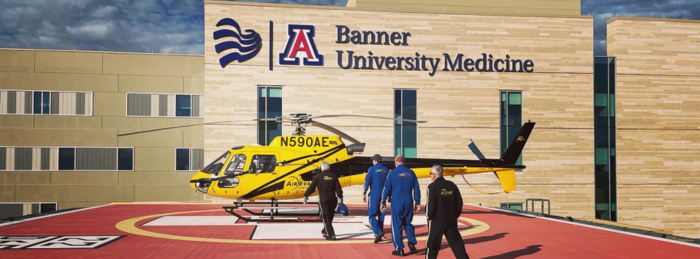
In some emergencies, trauma center helicopter transport may be used when emergency responders determine that rapid air medical transport can help a patient reach specialized care faster than ground transport.
Key Takeaways
- A trauma center is a hospital designed to treat severe injuries and complex trauma cases.¹
- Trauma centers are categorized into levels based on available resources and specialists.²
- Trauma center helicopter transport may help reduce travel time when specialized trauma care is needed quickly.
- Rural communities often rely on smaller hospitals for stabilization before transfer to higher-level trauma centers.¹
- Air medical programs such as PHI Air Medical help connect communities with advanced trauma care.
Quick Definitions
Trauma Center
A hospital designated to treat severe injuries using specialized trauma teams, surgical resources, and emergency care protocols.¹
Trauma System
A coordinated network of EMS agencies, hospitals, and medical transport programs designed to ensure injured patients receive the right care quickly.¹
Trauma Center Helicopter Transport
Air medical transport used when emergency responders determine that helicopter transport may reduce time to reach appropriate trauma care.

What Is a Trauma Center?
A trauma center is a hospital that has specialized staff, equipment, and processes required to treat patients with serious injuries.
Trauma care requires rapid coordination across several medical specialties. Trauma centers are prepared to manage this by maintaining teams and systems specifically designed for severe injuries.
These hospitals provide services such as:
- rapid emergency evaluation and resuscitation
- advanced imaging and diagnostics
- emergency surgery when needed
- critical care monitoring
- rehabilitation planning
Trauma centers are part of a broader trauma system, which integrates emergency medical services, hospitals, and transport programs to ensure injured patients receive appropriate care quickly.¹
Trauma systems are designed so that patients with severe injuries are transported to hospitals best equipped to treat them, even if that hospital is not the closest facility.
Learn more about air medical operations:

How Trauma Systems Work
Trauma systems are coordinated networks designed to respond to injuries from the moment they occur through rehabilitation and recovery.
According to the American College of Surgeons Committee on Trauma, trauma systems integrate multiple components of care including:
- emergency medical services response
- trauma center hospitals
- interfacility transfer pathways
- rehabilitation services
- injury prevention programs
- performance improvement systems¹
Trauma systems are designed to match patient needs with hospital capabilities so that severely injured patients reach the facilities best equipped to treat their injuries.
This coordinated approach has been shown to improve survival and reduce complications following serious injuries.¹
What Do Trauma Center Levels Mean?
Trauma centers are categorized into levels based on the services and resources they provide. While specific requirements vary by state, the general framework helps emergency responders determine where patients should be transported.²
Level I Trauma Centers
Level I trauma centers provide the most comprehensive trauma care.
These hospitals typically include:
- trauma surgeons available 24 hours a day
- specialized surgical teams
- trauma intensive care units
- advanced imaging and diagnostics
- research and trauma education programs
Level I centers often serve as regional leaders in trauma systems, helping train clinicians and coordinate care across a region.
Level II Trauma Centers
Level II trauma centers provide comprehensive trauma care and can treat most serious injuries.
These hospitals maintain trauma surgeons and critical care resources at all times. In some cases, extremely complex injuries may be transferred to Level I trauma centers that have additional specialty resources.
Level III Trauma Centers
Level III trauma centers provide rapid assessment, resuscitation, emergency surgery, and stabilization.
Patients with severe injuries may be stabilized at Level III centers before being transferred to higher-level trauma centers for specialized treatment.¹
Level IV Trauma Centers
Level IV trauma centers are often located in rural or remote communities.
These hospitals provide:
- trauma evaluation
- emergency stabilization
- diagnostic services
- coordination for transfer to higher-level trauma centers
Although Level IV centers may not have advanced surgical specialties, they play an important role by providing immediate care for injured patients in communities far from major hospitals.
Level V Trauma Centers
Level V trauma centers are also commonly found in rural areas and focus on:
- initial evaluation
- resuscitation and stabilization
- preparing patients for transfer to higher-level trauma centers when necessary
These facilities ensure that even small communities have access to rapid emergency care before transfer to specialized trauma hospitals.

Why Helicopters Transport Patients to Trauma Centers
Trauma center helicopter transport may be used when emergency responders determine that rapid air medical transport could help a patient reach specialized trauma care more quickly.
Medical helicopters can bypass obstacles that delay ground transport such as:
- traffic congestion
- long driving distances
- geographic barriers like mountains or remote terrain
- limited road access
Situations where medical helicopter transport may be considered include:
- severe vehicle crashes
- traumatic brain injuries
- major burns
- severe internal bleeding
- remote accident locations
In these situations, transporting a patient directly to a trauma center can help ensure specialized trauma teams are ready to begin treatment immediately upon arrival.
When Do Emergency Responders Call a Medical Helicopter?
Emergency responders follow regional trauma system protocols when deciding whether air medical transport is appropriate.
A helicopter may be requested when:
- a patient has life-threatening injuries
- the nearest trauma center is far away
- road traffic could delay transport
- geography or terrain makes ground transport difficult
- rapid transfer between hospitals is required
Helicopters are one of several tools used in trauma systems to help ensure that patients reach appropriate care as quickly as possible.

Why Air Medical Transport Is Important in Rural Communities
Rural communities often face unique challenges when it comes to trauma care.
The nearest hospital may be a Level IV or Level V trauma center, which provides stabilization but may not have specialized surgical teams required for complex trauma cases.
When severe injuries occur in these areas, patients may need to be transported to a Level I or Level II trauma center located in a larger city.
This is where air medical transport can be particularly valuable.
Medical helicopters can help bridge the gap between rural communities and advanced trauma centers when long ground transport times could delay treatment.
Programs like PHI Air Medical operate helicopter bases in many regions to support emergency responders and hospitals when rapid patient transport is needed.
You can learn more about rural air medical transport here:
The Essential Role of Air Ambulance Services in Rural Healthcare
The Golden Hour in Trauma Care
In trauma medicine, the concept of the “golden hour” refers to the early period after a severe injury when rapid medical treatment may significantly influence survival and recovery outcomes.
Although the exact time frame varies depending on the injury, trauma systems are designed to reduce delays and improve access to definitive care during the early stages of treatment.³ ⁴
For patients living in rural areas, reaching specialized trauma care quickly can be challenging because higher-level trauma centers may be many miles away.
Trauma center helicopter transport can sometimes reduce the time required to reach specialized care, helping trauma systems move patients efficiently to appropriate facilities.
What Happens During Medical Helicopter Transport?
Medical helicopters function as mobile critical care environments.
Typical air medical crews include:
- a pilot
- a flight nurse
- a flight paramedic
These clinicians provide advanced care during transport.
During a helicopter flight, the crew may:
- monitor vital signs and heart rhythms
- provide airway management and breathing support
- administer medications and fluids
- stabilize traumatic injuries
- coordinate with the receiving trauma center
Whole Blood On Board
PHI Air Medical carries whole blood on board many of its helicopters, allowing flight clinicians to begin transfusions in time-sensitive trauma cases when clinically appropriate.
This capability allows crews to begin treating severe blood loss while transporting patients to a trauma center.
Learn more about this program:
The Power of Whole Blood in Air Medical Emergency Care
How Air Medical Programs Support Trauma Systems
Trauma systems rely on coordination between:
- emergency responders
- hospitals
- trauma centers
- rehabilitation programs
- medical transport providers
Air medical programs help support these systems by transporting patients quickly when specialized care is needed.
For example:
- EMS crews may request helicopter transport from an accident scene to a trauma center.
- A community hospital may request helicopter transport to transfer a patient to a higher-level trauma facility.
These coordinated systems help ensure that patients receive care at the hospitals best equipped to treat their injuries.
Explore more educational articles here:
Understanding Air Medical Services in Your Community
Emergency response systems rely on coordination between first responders, hospitals, trauma centers, and air medical programs.
Medical helicopters are one part of this system, helping connect patients with specialized care when time and distance matter.
Understanding how trauma centers and air medical transport work together can help communities better understand how emergency care systems are designed to respond during serious emergencies.
To learn more about how PHI Cares membership works, visit:
Frequently Asked Questions
What is a trauma center?
A trauma center is a hospital equipped and staffed to treat severe injuries such as major trauma, burns, and traumatic brain injuries. These hospitals maintain specialized trauma teams and advanced medical resources to treat critically injured patients.
Are trauma centers located in every community?
No. Trauma centers are often located in larger cities or regional hospitals. Rural communities may rely on smaller hospitals for stabilization before transferring patients to higher-level trauma centers.
Why do helicopters transport patients to trauma centers?
Trauma center helicopter transport may be used when emergency responders determine that specialized care is needed quickly and air transport may reduce travel time compared with ground transport.
What is the golden hour?
The golden hour refers to the early period after a severe injury when rapid medical treatment may influence survival and recovery outcomes.
Who decides whether a helicopter is used?
Emergency responders and medical professionals evaluate each situation using established trauma system protocols. The pilot also reviews weather and safety conditions before accepting a flight.
Does PHI Cares membership cover a helicopter flight to a trauma center?
When PHI Air Medical or a cooperative partner performs a medically necessary transport for a member, including a flight to a trauma center, PHI Cares covers your out-of-pocket cost for that flight, with no copays, no deductibles, and no coinsurance.
Sources
- American College of Surgeons Committee on Trauma.
Trauma Systems Consultation Guide: Essential Elements, Framework, and Assessment for State and Regional Trauma Systems (2023). - National Library of Medicine – StatPearls.
Trauma Center Designation. - Lerner EB, Moscati RM.
The Golden Hour: Scientific Fact or Medical “Urban Legend”? - Newgard CD et al.
Emergency Medical Services Intervals and Survival in Trauma. - Federal Aviation Administration.
Helicopter Air Ambulance Operations.