
Rural Resilience: How Air Medical Services Strengthen Small-Town Healthcare Access
Across the United States, rural communities face a uniquely difficult healthcare landscape. About 1 in 5 people in the U.S. live in rural areas, and rural residents face higher risks of death from leading causes such as heart disease, unintentional injury and stroke, due in part to limited access to specialized medical care and emergency services.1 Long distances to medical facilities, longer waits for specialty care, and hospitals that have closed or cut back services can make an emergency even harder to handle.
In these moments, PHI Air Medical helps bridge the distance. Its crews bring critical care to the patient and fly them to a hospital that can treat them. This post looks at how air medical services support rural healthcare, and how a PHI Cares membership helps families plan ahead for the cost of an emergency flight.

The Growing Rural Healthcare Challenge
Rural hospital closures have reshaped access to care. Since 2010, 155 rural hospitals have closed or stopped offering inpatient care, including 87 complete closures, according to the Cecil G. Sheps Center for Health Services Research at the University of North Carolina.2 When a local hospital closes or cuts back, patients who need intensive care or specialized treatment may have to travel much farther. For time-sensitive emergencies such as strokes, heart attacks and major trauma, that distance matters.
PHI Air Medical: Bridging the Distance with Critical Care
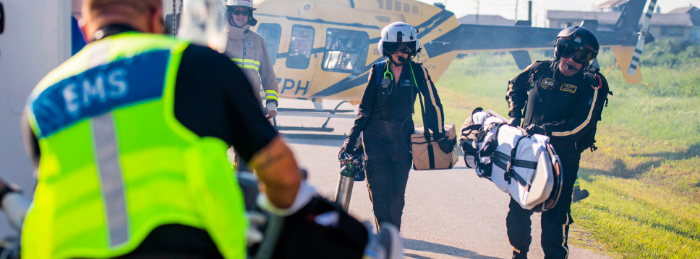
PHI Air Medical has 71 membership bases in 14 states, many of them serving rural communities.3 Its standard medical crew is a flight nurse and a flight paramedic, along with the pilot,4 and they provide critical care during the flight to a hospital that can treat the patient.
- Critical care on board: Flight nurses and flight paramedics continue critical care in the air on the way to the hospital.
- Working with local EMS and hospitals: When the medical crew at the scene determines that a patient needs a higher level of care quickly, they may request a helicopter. For a patient in a rural hospital who needs care somewhere else, a doctor may request a flight to another hospital.
- Cooperative partners: In some communities, PHI Air Medical flies under the name of a local partner, such as a health system or a fire or emergency medical services agency.5
PHI Air Medical’s cooperative partners include Enterprise Rescue in Alabama; Arizona Fire & Medical Authority in Arizona; Ascension St. Vincent StatFlight in Indiana; Ochsner Rush Health in Mississippi; Rico Aviation in New Mexico; Cleveland Clinic and University Hospitals UH AirMed in Ohio; Allegiance Mobile Health, CHRISTUS Flight For Life and Medical City Healthcare in Texas; and Centra Health, Inova and Valley Health in Virginia.5 See our Cooperative Partners page for where they fly.
The Human Side: Critical Moments
Consider a farmer with stroke symptoms far from a hospital with a stroke team. If the medical crew at the scene determines that the patient needs a higher level of care quickly, a helicopter can bring a critical care crew to the patient and fly them to a stroke center. Or consider a child injured far from a children’s hospital: the flight crew provides care on the way to a hospital equipped to treat complex injuries.
Working Alongside Local EMS
PHI Air Medical works alongside volunteer and small-town EMS providers, who often cover large territories. Ground EMS crews are usually first on the scene, and they request a helicopter when a patient needs a higher level of care quickly. At the scene, the EMS crew requests the closest, most appropriate helicopter that’s available, and a membership card or sticker doesn’t change which one is sent.
Local Bases Rooted in Their Communities
PHI Air Medical bases are staffed by pilots who know the regional terrain and by medical crews who care for critically ill and injured patients. Beyond flights, bases bring skilled jobs, from flight crews to maintenance technicians, and many take part in community education and outreach.

How PHI Cares Membership Fits In
PHI Cares is a membership, not insurance. If you need a medically necessary flight by PHI Air Medical or a cooperative partner, PHI bills your insurance company, not you, and works with them to make sure they pay what your policy covers. PHI accepts that payment as payment in full, so members have $0 out-of-pocket responsibility for medically necessary flights by PHI Air Medical or a cooperative partner. For a transfer between hospitals, you or your family can tell the hospital about your PHI Cares membership and ask for PHI Air Medical.
A household membership covers your spouse, dependents living at the same address, and up to 3 additional people at the same address. Coverage starts five days after we receive your completed application and payment. The waiting period is waived for unforeseen events during that time, which are reviewed case by case.6
PHI Cares membership starts at $75 a year for your household. See plans and join, or call 1-888-435-9744.
Preparedness for Crisis Events
Rural communities also face natural disasters such as tornadoes, floods and wildfires. An emergency kit, a family communication plan and a membership in place before an emergency help households be ready. Our guide to emergency preparedness covers the basics.
Looking Forward
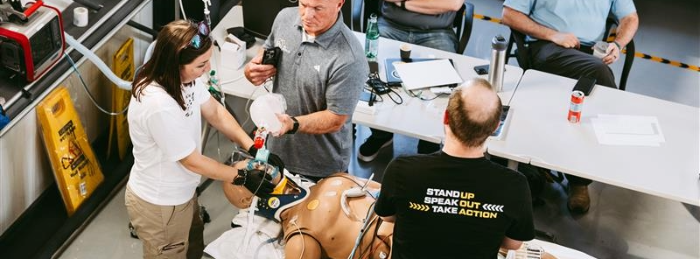
PHI Air Medical continues to work with hospitals, health systems and EMS agencies to serve rural communities, including through cooperative partnerships and community education.
Final Reflections
Where geography shapes access to healthcare, PHI Air Medical helps connect rural patients to critical care and to the hospitals that can treat them. Through skilled crews, critical care in the air and community partnerships, PHI supports rural healthcare.
Membership in the PHI Cares Program is not an insurance product. PHI Cares does not cover and will not pay or reimburse you for services performed by any other air medical transport services provider or any ground ambulance services provider.
Frequently Asked Questions
How many rural hospitals have closed?
Since 2010, 155 rural hospitals have closed or stopped offering inpatient care, including 87 complete closures, according to the Cecil G. Sheps Center for Health Services Research at the University of North Carolina.
How does air medical transport help rural communities?
A helicopter brings a critical care crew to the patient and flies the patient to a hospital that can treat them, which can matter when the nearest hospital with the right level of care is far away.
Who decides whether a helicopter is sent?
When the medical crew at the scene determines that a patient needs a higher level of care quickly, they may request a helicopter. At the scene, the EMS crew requests the closest, most appropriate helicopter that’s available, and a membership card or sticker doesn’t change which one is sent. For a transfer between hospitals, you or your family can tell the hospital about your PHI Cares membership and ask for PHI Air Medical.
What is a cooperative partner?
In some communities, PHI Air Medical flies under the name of a local partner, such as a health system or a fire or emergency medical services agency. PHI Cares membership applies to medically necessary flights by PHI Air Medical or a cooperative partner.
Who is on a PHI Air Medical crew?
PHI Air Medical’s standard medical crew is a flight nurse and a flight paramedic, along with the pilot.
What does PHI Cares membership cover?
If you need a medically necessary flight by PHI Air Medical or a cooperative partner, PHI bills your insurance company, not you, and works with them to make sure they pay what your policy covers. PHI accepts that payment as payment in full, so members have $0 out-of-pocket responsibility for medically necessary flights by PHI Air Medical or a cooperative partner.
How much does PHI Cares cost?
PHI Cares membership starts at $75 a year for your household.
Sources
1 Centers for Disease Control and Prevention. About Rural Health. cdc.gov
2 Cecil G. Sheps Center for Health Services Research, University of North Carolina. Rural Hospital Closures. shepscenter.unc.edu
3 PHI Cares. Coverage Map. phicares.com
4 PHI Air Medical. Flight Paramedic Careers. phiairmedical.com
5 PHI Cares. Cooperative Partners. phicares.com
6 PHI Cares. Membership Terms and Conditions. phicares.com