
Topic: PHI Cares
 Featured
Does Your Membership Work in Another State? The 70-Base PHI Air Medical Network, State by State
Does my membership work in another state? It is one of the most common questions we get, and it usually arrives right before a trip. A family is heading to see relatives two states over, or a retiree is driving south for the winter, and someone wants to know whether...
Read more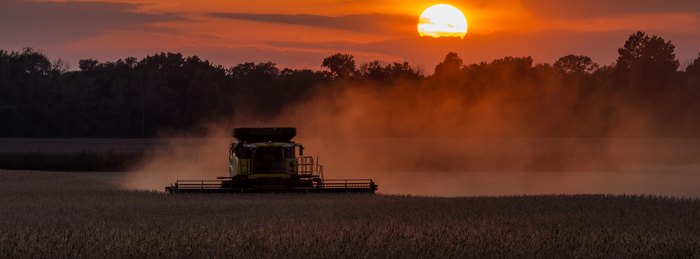
Harvest Season Farm Safety: Protecting the People Behind the Crop
Harvest season farm safety deserves real attention every September. The busiest weeks of the year are also among the most dangerous. National Farm Safety and Health Week runs September 21–25, 2026, under the theme “Safety Today, Success Tomorrow.”¹ The National Education Center for Agricultural Safety leads the observance as the...
Read more
Sepsis Warning Signs: What Every Household Should Know This Sepsis Awareness Month
Sepsis warning signs are easy to miss, and that is exactly what makes sepsis so dangerous. September is Sepsis Awareness Month, and September 13 is World Sepsis Day. This is the right moment to learn what to watch for. The Centers for Disease Control and Prevention describes sepsis as the...
Read more
National Preparedness Month: Build a Household Emergency Plan That Works Where You Live
National Preparedness Month arrives every September, and it exists for a simple reason. Most households intend to get ready, and then life gets busy. The Federal Emergency Management Agency runs the observance through its Ready campaign, and the goal is to move families from good intentions to a written plan.¹...
Read more
Fall Sports Safety: Protecting Young Athletes During August Practices
Fall Sports Safety: Protecting Young Athletes During August Practices Fall sports safety takes center stage every August, when football pads, cross country spikes, and soccer cleats come out of the closet weeks before the temperatures cool down. Preseason practices collide with the hottest stretch of the year, and that combination...
Read more