

 Featured
Thanksgiving Kitchen Safety: How to Prevent Cooking Fires, Turkey Fryer Accidents and Burns
Thanksgiving fills the house with family, food and a busy kitchen. It is also the peak day of the year for home cooking fires.¹ At PHI Cares, we want every family to enjoy the holiday safely, so here is what fire safety, food safety and first aid experts recommend. Traveling?...
Read more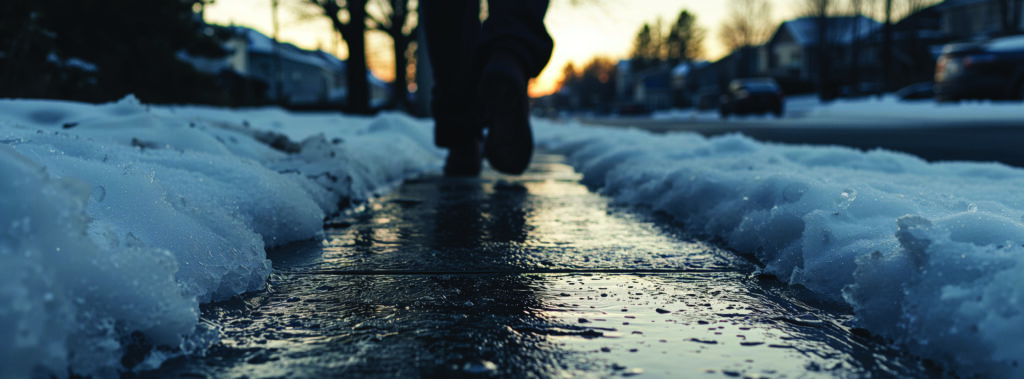
Winter Weather Injuries: How to Prevent Falls on Ice, Shoveling Strain and Hypothermia
Winter storms can bring cold temperatures, power failures, loss of communication services and icy roads, and the CDC advises limiting your time outside during them.1 Falls on ice, the strain of shoveling snow and long exposure to the cold are behind many winter injuries, and a few simple habits can...
Read more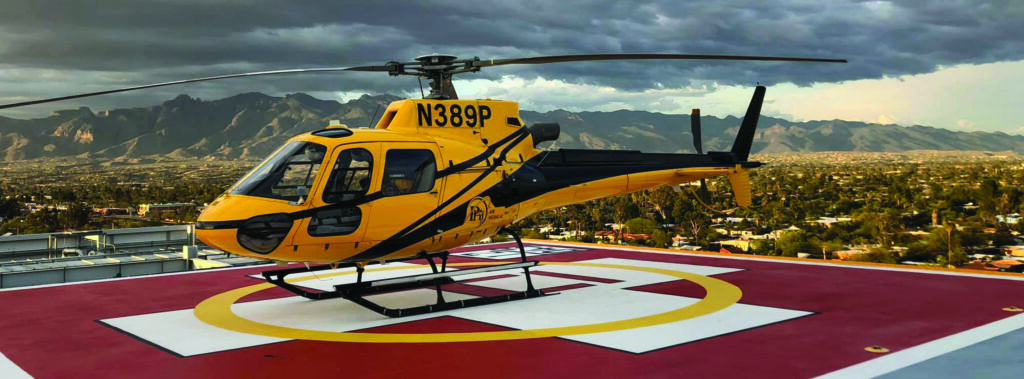
Community Growth and Changing Healthcare Access: Why Air Medical Transport Matters More Each Year
Healthcare access across the United States is changing in ways that affect how quickly patients can reach emergency and specialty care. Population growth, rural hospital closures and the consolidation of advanced medical services have increased the distance between many communities and the treatment they need. These shifts make air medical...
Read more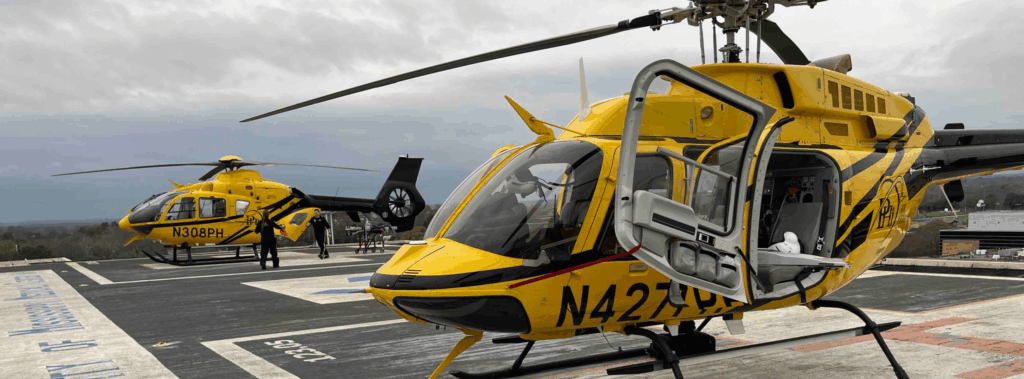
How Helicopter Base Locations Support Faster Emergency Response
Look at the PHI Cares coverage map and you’ll see helicopter bases spread across 14 states. Where a helicopter is based shapes how quickly its crew can reach a patient and fly them to a hospital that can treat them. Here’s how PHI Air Medical chooses base locations, why time...
Read more
Holiday Travel Readiness: Safety Tips for Thanksgiving and Winter Road Trips
The holidays mean family, food and travel. Many families drive long distances, travel through rural areas and run into winter weather along the way. The National Safety Council (NSC) estimates that 428 people may die on U.S. roads during the 2026 Thanksgiving holiday period, which runs from 6 p.m. Wednesday,...
Read more