
Fall Sports Safety: Protecting Young Athletes During August Practices
Fall Sports Safety: Protecting Young Athletes During August Practices
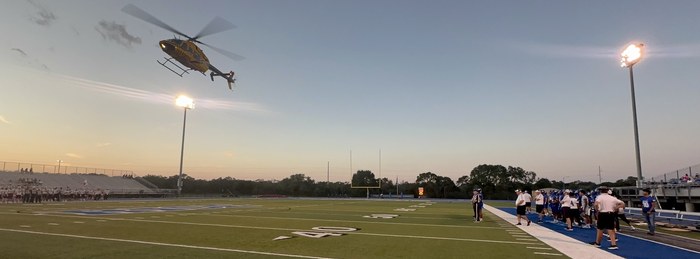
Fall sports safety takes center stage every August, when football pads, cross country spikes, and soccer cleats come out of the closet weeks before the temperatures cool down. Preseason practices collide with the hottest stretch of the year, and that combination places real demands on young bodies. Exertional heat stroke is a leading cause of sudden death in sport, particularly among football linemen.1 The encouraging news for parents and coaches: research from the University of Connecticut’s Korey Stringer Institute shows these tragedies are preventable when teams follow proven guidelines.
This fall sports safety guide draws on university research and national pediatric guidance to explain why August practices carry elevated risk, how heat acclimatization protects athletes, which warning signs demand immediate action, and what a strong emergency plan looks like. We also cover how a PHI Cares Membership helps your household prepare for the unexpected with $0 out-of-pocket responsibility for medically necessary flights by PHI Air Medical or a cooperative partner.
Why August Practices Carry Extra Risk

Preseason schedules ask athletes to ramp up intensity quickly, often in full equipment, during peak heat and humidity. The American Academy of Pediatrics notes that the primary drivers of exertional heat-illness risk in youth are undue physical exertion, insufficient recovery between repeated same-day sessions, poor hydration status, and clothing, uniforms, and protective equipment that hold in body heat.2 Each of those factors shows up naturally in August training camps, which is why the first two weeks of the season deserve the most careful management of the entire year.
Heat Acclimatization: The Foundation of Fall Sports Safety
The body adapts remarkably well to exercising in heat, but it needs time. The Korey Stringer Institute explains that athletes should adapt to exercise in the heat gradually over 10 to 14 days, progressively increasing the duration and intensity of work in hot conditions.3 Heat acclimatization guidelines for secondary school athletics, developed through the National Athletic Trainers’ Association and championed by the Korey Stringer Institute, phase in practice length, equipment, and multiple daily sessions rather than starting camp with intense back-to-back workouts.4
Parents can ask two simple questions before camp starts: does our program follow a written heat acclimatization policy, and who monitors the heat index or wet bulb globe temperature at practice? Programs with good answers to both questions have built the core of fall sports safety into their season.
This research keeps advancing. In July 2026, Korey Stringer Institute researchers helped unveil new national recommendations through the National Athletic Trainers’ Association aimed at preventing exertional heat illness, with particular focus on football athletes and linemen, who face the highest risk.1 The momentum is reaching state policy as well: Texas recently adopted a wet bulb globe temperature policy for all University Interscholastic League schools, extending heat-safety protections to millions of student-athletes.1 When your school or league updates its heat policies, those changes reflect this growing body of evidence, and they deserve a family’s full support.
Hydration and Recovery Between Sessions

Being adequately hydrated before and during exercise helps prevent heat illnesses, because maintaining blood volume is key to the body’s cooling system.3 The American Academy of Pediatrics also encourages families to build habits around the practice schedule: check the forecast together, pack chilled water bottles with backups, choose light and breathable clothing when uniforms allow, and let athletes gradually adjust at the start of the season or whenever they travel somewhere hotter.5 Recovery matters just as much as fluids: athletes need genuine rest between same-day sessions, in shade or air conditioning, with time to cool down and rehydrate before the next whistle.2
Uniforms, Equipment, and Practice Timing
Gear choices and scheduling decisions shape how much heat an athlete’s body has to manage. Helmets, pads, and dark, heavy uniforms hold heat in, which is why the AAP identifies inappropriate clothing and protective equipment as a core exertional heat-illness risk factor and why acclimatization schedules phase equipment in gradually rather than starting camp in full pads.2 When uniforms allow, athletes should wear light-colored, loose, breathable fabric, and equipment should come off during rest breaks so the body can shed heat.5 Timing matters just as much: the AAP recommends scheduling heavy activity during the cooler parts of the day and delaying or canceling sessions when heat turns extreme.5 Early-morning practices beat mid-afternoon sessions in August almost everywhere, and flexible coaches build that reality into the calendar.
Loop in your pediatrician before the season
Preseason is also the right moment for a conversation with your child’s doctor. Pediatricians can offer specific guidance and a personalized plan for kids with health conditions, those who take medications, and those living in hotter parts of the country, all of which can change how a young athlete handles heat.5 Bring a list of your athlete’s sports and practice conditions to the sports physical, and ask directly whether anything in their health history calls for extra precautions in August.
Warning Signs Every Parent and Coach Should Know

Heat exhaustion
Heat exhaustion reflects heavy fluid and electrolyte loss. Watch for fatigue that seems out of proportion, dizziness, headache, nausea, pale and sweaty skin, and muscle cramps. An athlete with these symptoms should stop activity, move to shade or air conditioning, cool down, and rehydrate, with medical evaluation if symptoms do not improve promptly.3
Exertional heat stroke: minutes matter
Exertional heat stroke involves dangerously elevated core body temperature along with central nervous system dysfunction, such as irrational behavior, irritability, confusion, stumbling, collapse, or loss of consciousness.6 Treat any collapse or personality change during hot-weather practice as an emergency. Research compiled by the Korey Stringer Institute shows that exertional heat stroke has had a 100% survival rate when immediate cooling through cold water immersion or aggressive whole-body cold water dousing began within 10 minutes of collapse.6 The message for every sideline: cool first, and get emergency help fast. Call 911, begin aggressive cooling on site, and continue cooling while emergency responders are on the way.
Emergency Action Plans: Ask Before the Season Starts
Strong programs write their emergency steps down before they need them. The American Academy of Pediatrics recommends that families have a plan for preventing heat illness and an emergency action plan, because heat illness symptoms need immediate treatment.5 Ask your athletic program these questions at the preseason meeting:
- Who is trained on site to recognize and treat heat illness, and is an athletic trainer present at practices?
- Where is the cold-water immersion tub or cooling equipment, and can staff reach it within minutes?
- Who calls 911, who meets emergency responders, and who directs them to the field?
- What heat index or wet bulb globe temperature reading modifies or cancels practice?
Fall sports safety also extends beyond heat. Collisions and falls can cause concussions and other serious injuries, and knowing how your program responds to a suspected head injury matters just as much. Our post on brain injury awareness explains why rapid access to advanced care makes a difference after head trauma.
When a Sports Emergency Requires Air Medical Transport
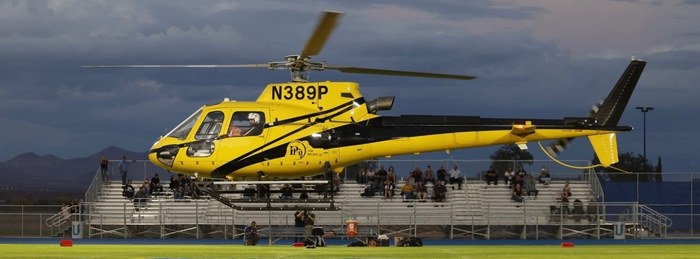
Most practice-field incidents resolve with rest, ice, and a trip to the pediatrician. Occasionally, though, an athlete needs advanced hospital care quickly: severe heat stroke with organ involvement, a serious head or spine injury, or major trauma from a collision. In those moments, 911 dispatchers may determine that emergency air medical transport to a trauma center offers the fastest route to the right level of care, especially for schools in rural communities located far from specialized hospitals. Our guide to trauma centers explains what these hospitals do and why severely injured patients are transported there.
PHI Air Medical has 70 membership bases from coast to coast, and its crews include experienced pilots and trained medical personnel who care for critically ill and injured patients during transport.7 Emergency air transport may result in significant out-of-pocket responsibility depending on the situation and your insurance plan.
How PHI Cares Membership Supports Sports Families
PHI Cares helps households prepare for unexpected emergency transport situations. Members pay $0 out of pocket for medically necessary flights by PHI Air Medical or a cooperative partner: PHI Cares works with your insurance provider and accepts the insurance payment as payment-in-full, according to membership terms. One household membership includes your spouse, dependents living at the same address, and up to 3 additional people at the same address, which means every athlete in the house is part of the same plan.
Coverage begins 5 days after enrollment, so enrolling before the season’s first scrimmage makes practical sense. Review options on our memberships page and confirm your area on our coverage map.
Frequently Asked Questions About Fall Sports Safety
How long does heat acclimatization take for young athletes?
Research from the Korey Stringer Institute indicates the body adapts to exercising in heat over roughly 10 to 14 days of gradually increasing duration and intensity.3 Programs should phase in practice length, equipment, and same-day double sessions across that window rather than starting at full intensity.
What are the signs of exertional heat stroke in an athlete?
Look for central nervous system changes during or after intense exercise in the heat: confusion, irrational behavior, irritability, stumbling, collapse, or loss of consciousness, along with a dangerously elevated core temperature.6 Treat it as a 911 emergency and begin aggressive cooling immediately: outcomes are dramatically better when cooling starts within minutes.6
Should practices be moved or canceled in extreme heat?
Yes, when conditions warrant. The American Academy of Pediatrics advises scheduling heavy activity during cooler parts of the day and delaying or canceling when heat becomes extreme, and it encourages parents to ask coaches what heat safety precautions are in place.5 Many state athletic associations now set modification thresholds based on heat measurements taken at the practice site.4
Does PHI Cares Membership include my student athlete?
Yes. A household membership includes your spouse, dependents living at the same address, and up to 3 additional people at the same address, according to membership terms. In any emergency, call 911 first; after a transport, contact the PHI Cares Membership Department to let us know a member has been flown. Enrollment details are on the memberships page.
August practices build the foundation for a great season. With acclimatization, hydration, a rehearsed emergency plan, and a PHI Cares Membership supporting your household, your athlete can chase the season’s goals while you enjoy real peace of mind.
Membership in the PHI Cares Program is not an insurance product. PHI Cares does not cover and will not pay or reimburse you for services performed by any other air medical transport services provider or any ground ambulance services provider.
Sources
1 UConn Today, University of Connecticut. What’s Hot with Heat: UConn’s KSI Joins National Athletic Trainers’ Association to Release New Safety Guidelines (July 2026). https://today.uconn.edu/2026/07/whats-hot-with-heat-uconns-ksi-joins-national-athletic-trainers-association-to-release-new-safety-guidelines/
2 American Academy of Pediatrics. Climatic Heat Stress and Exercising Children and Adolescents (policy statement; reaffirmed 2025). https://publications.aap.org/pediatrics/article/128/3/e741/30624/Climatic-Heat-Stress-and-Exercising-Children-and
3 Korey Stringer Institute, University of Connecticut. Heat Exhaustion. https://koreystringer.institute.uconn.edu/heat-exhaustion/
4 Korey Stringer Institute, University of Connecticut. Heat Acclimatization. https://koreystringer.institute.uconn.edu/heat-acclimatization/
5 American Academy of Pediatrics, HealthyChildren.org. How to Keep Young Athletes & Active Kids Safe in Hot Weather. https://www.healthychildren.org/English/health-issues/injuries-emergencies/sports-injuries/Pages/Exercise-Related-Heat-Illness.aspx
6 Korey Stringer Institute, University of Connecticut. Heat Stroke. https://koreystringer.institute.uconn.edu/heat-stroke/
7 PHI Air Medical. Official website. https://phiairmedical.com/