
Extreme Heat Safety: How to Recognize and Respond to a Heat Emergency
Extreme Heat Safety: How to Recognize and Respond to a Heat Emergency

Extreme heat safety deserves a place at the top of every household checklist in August. Late summer brings the hottest and most humid stretch of the year for much of the country, and heat claims more lives in the United States than any other weather hazard in most years. The Centers for Disease Control and Prevention reports that more than 700 people die from extreme heat every year in the United States.1 The good news: heat-related illness is largely preventable when families plan ahead, watch for warning signs, and act quickly when symptoms appear.
In this guide, we walk through how heat affects the body, how to tell heat exhaustion from heat stroke, and the practical steps that keep your household safer through the hottest weeks of the year. We also explain what happens when a heat emergency becomes a medical transport emergency, and how a PHI Cares Membership helps your household prepare for the unexpected with $0 out-of-pocket responsibility for medically necessary flights by PHI Air Medical or a cooperative partner.
Why August Is Peak Season for Heat-Related Illness
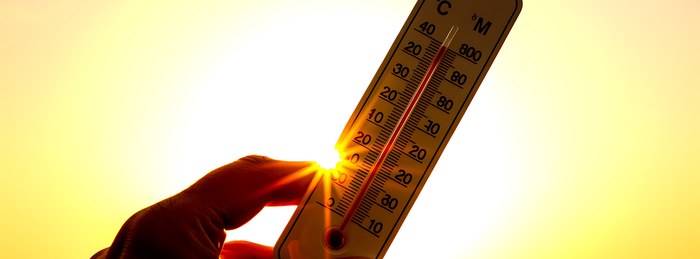
Extreme heat means temperatures that run substantially hotter or more humid than average for a location and date.1 By August, many regions have endured weeks of high temperatures. Nighttime lows stay elevated, homes and pavement hold heat, and the body gets fewer chances to recover. Humidity makes the situation worse because sweat evaporates more slowly, which limits the body’s main cooling tool. The National Weather Service uses the heat index, a measure of how hot it actually feels when humidity combines with air temperature, to decide when to issue heat alerts.2
Pay attention to those alerts. An Extreme Heat Warning means dangerous heat is happening or about to happen, and it signals the right time to move activities indoors, check on neighbors, and put your extreme heat safety plan into action.2
How Heat Affects the Body
Your body cools itself primarily by sweating. During periods of extreme heat, sweating alone may not keep up. When the body gains heat faster than it can shed it, core temperature rises, and that rise can damage the brain and other vital organs.1 People suffer heat-related illness when their bodies can no longer cool themselves properly, and the progression can move quickly from mild symptoms to a life-threatening emergency.
Heat Exhaustion vs. Heat Stroke: Know the Difference
These two conditions look similar at first, but they call for very different responses. Learning to tell them apart is one of the most valuable extreme heat safety skills you can build.
Signs of heat exhaustion
Heat exhaustion develops when the body loses too much water and salt, usually through heavy sweating.3 Watch for:
- Heavy sweating with cool, pale, or clammy skin
- Muscle cramps, weakness, or dizziness
- Headache, nausea, or vomiting
- A fast, weak pulse
Move the person to a cooler place, loosen clothing, apply cool wet cloths, and offer sips of water. Seek medical care if symptoms worsen, last longer than an hour, or the person cannot keep fluids down.3
Signs of heat stroke: call 911
Heat stroke is the most serious heat-related illness. It occurs when the body can no longer control its temperature: core temperature rises rapidly, the sweating mechanism fails, and the body loses the ability to cool down. Heat stroke can cause permanent disability or death without emergency treatment.3 Warning signs include:
- Confusion, slurred speech, or irrational behavior
- Hot, red, dry, or damp skin
- A body temperature of 103°F or higher
- Loss of consciousness or seizures
Call 911 immediately. While you wait for emergency responders, move the person to a cooler area, remove outer clothing, and cool them quickly with cold wet cloths or ice on the head, neck, armpits, and groin, or soak their clothing with cool water.3 Stay with them until help arrives.
Heat cramps and heat rash: the early warnings
Two milder conditions often show up before anything serious develops, and they deserve attention as early signals. Heat cramps are painful muscle spasms, usually in the legs or abdomen, caused by heavy sweating that depletes the body’s salt and moisture. Someone with heat cramps should stop activity, move somewhere cooler, and sip water or an electrolyte drink every 15 to 20 minutes.3 Heat rash appears as clusters of small blisters or pimples on the neck, chest, or in skin folds, and it signals that sweat is not evaporating well in hot, humid conditions.3 Neither condition is an emergency on its own, but both tell you the same thing: the body is struggling with the heat, and it is time to cool down, hydrate, and scale back activity before symptoms escalate.
Extreme Heat Safety Steps for Your Household
A few consistent habits go a long way during heat waves. The CDC recommends these prevention basics:4
- Stay hydrated. Drink water throughout the day, and do not wait until you feel thirsty. Limit alcohol and heavily sugared drinks.
- Stay cool. Spend the hottest hours in air-conditioned spaces. If your home lacks air conditioning, use a public library, mall, or community cooling center.
- Schedule smart. Shift yard work, exercise, and errands to early morning or evening hours.
- Dress for the heat. Choose lightweight, light-colored, loose-fitting clothing, and use sunscreen, since sunburn slows the skin’s ability to release heat.4
- Never leave children or pets in a vehicle. Interior temperatures climb to dangerous levels within minutes, even with windows cracked.4
- Check on others. Call or visit older neighbors and relatives daily during heat waves, especially anyone without air conditioning.
Who Faces the Highest Risk
Anyone can develop heat-related illness, but some household members need extra attention. Older adults, young children, and people with chronic medical conditions face the highest risk of serious illness and death from extreme heat.1 Certain medications can also affect how the body regulates temperature, so ask a doctor or pharmacist whether prescriptions in your household change heat tolerance. Even young, healthy people can be affected when they exert themselves during hot weather, which is why pacing and hydration matter for everyone.
Air quality adds another layer to the picture. Warmer temperatures can mean higher ozone levels, so households that include someone with asthma or another lung condition should check the Environmental Protection Agency’s Air Quality Index before planning outdoor summer activities.1 On days when both heat and air quality run poor, indoor plans win.
Extreme Heat Safety for Outdoor Workers
Millions of Americans work outdoors in agriculture, construction, utilities, and other industries where August heat is part of the job. The Occupational Safety and Health Administration promotes a simple framework: water, rest, and shade.5 Workers should drink cool water every 15 to 20 minutes, take regular breaks in shaded or air-conditioned areas, and build up workloads gradually over one to two weeks when starting or returning to work in the heat, a process called acclimatization.6 Lack of acclimatization is a major risk factor in heat fatalities, and most serious incidents happen during a worker’s first days on the job in hot conditions.5
Rural and agricultural workers often do their jobs far from the nearest hospital. That distance makes both prevention and a solid emergency plan even more important.
When a Heat Emergency Becomes an Air Medical Emergency

Severe heat stroke can involve organ damage, seizures, and cardiac complications that require advanced hospital care. When a patient in a rural area needs a higher level of care quickly, 911 dispatchers may determine that emergency air medical transport is the best option. PHI Air Medical has 68 membership bases from coast to coast, with crews that include experienced pilots and trained medical personnel who care for critically ill patients during transport.7 If you want to understand how these flights work, our guide to medevac flights walks through the process from dispatch to hospital arrival.
Emergency air transport may result in significant out-of-pocket responsibility depending on the situation and your insurance plan. That financial uncertainty is exactly what a membership program helps address.
How PHI Cares Membership Supports Your Summer Emergency Plan
PHI Cares helps households prepare for unexpected emergency transport situations. Members pay $0 out of pocket for medically necessary flights by PHI Air Medical or a cooperative partner: PHI Cares works with your insurance provider and accepts the insurance payment as payment-in-full, according to membership terms. One household membership includes your spouse, dependents living at the same address, and up to 3 additional people at the same address. Coverage begins 5 days after enrollment, so the best time to join is before the next heat wave arrives.
You can review membership options on our memberships page and confirm that your area is served using our coverage map. Preparedness brings peace of mind, and during the hottest weeks of the year, peace of mind matters.
Frequently Asked Questions About Extreme Heat Safety
What is the difference between heat exhaustion and heat stroke?
Heat exhaustion involves heavy sweating, weakness, dizziness, and nausea, and it usually improves with rest, cooling, and fluids. Heat stroke is a medical emergency in which the body loses the ability to cool itself: skin may be hot and dry, confusion sets in, and body temperature climbs to 103°F or higher. Call 911 immediately for suspected heat stroke and cool the person while you wait for help.3
When should I call 911 for a heat emergency?
Call 911 any time someone shows signs of heat stroke, such as confusion, fainting, seizures, or hot skin with a very high body temperature. Also call if a person with heat exhaustion stops improving, cannot drink fluids, or loses consciousness. Emergency dispatchers will determine the right response, which in some situations includes air medical transport.
Who is most at risk during extreme heat?
Older adults, infants and young children, people with chronic conditions such as heart disease or diabetes, outdoor workers, and athletes face elevated risk.1 Check on high-risk household members and neighbors at least twice a day during heat waves.
How much water should I drink during extreme heat?
Drink steadily throughout the day rather than waiting for thirst, because thirst lags behind the body’s actual needs. For anyone active or working in the heat, OSHA’s guidance offers a useful benchmark: drink cool water every 15 to 20 minutes, and add an electrolyte beverage when strenuous activity stretches past two hours.6 Limit alcohol and heavily caffeinated drinks, which work against hydration.
Does a PHI Cares Membership help in a heat-related emergency?
Yes. If a medically necessary emergency transport is performed by PHI Air Medical or a cooperative partner, members have $0 out-of-pocket responsibility according to membership terms. After a transport, contact the PHI Cares Membership Department to let us know a member has been flown so we can coordinate directly with your insurance provider. You can find enrollment details on the memberships page.
Who can enroll in PHI Cares?
Most households in a PHI Cares service area can enroll, and one plan includes your spouse, dependents at your address, and up to 3 additional people at the same address. Federal law does not permit Medicaid participants to enroll in air medical membership programs; see the PHI Cares FAQ page for details and current eligibility information.
Stay cool, stay hydrated, and check on the people around you. With a plan in place and a PHI Cares Membership supporting your household, you can enjoy the rest of summer with greater confidence and peace of mind.
Membership in the PHI Cares Program is not an insurance product. PHI Cares does not cover and will not pay or reimburse you for services performed by any other air medical transport services provider or any ground ambulance services provider.
Sources
1 Centers for Disease Control and Prevention. Protect Yourself From the Dangers of Extreme Heat. https://www.cdc.gov/climate-health/php/resources/protect-yourself-from-the-dangers-of-extreme-heat.html
2 National Weather Service. Heat Safety Tips and Resources. https://www.weather.gov/safety/heat
3 Centers for Disease Control and Prevention, NIOSH. Heat-related Illnesses. https://www.cdc.gov/niosh/heat-stress/about/illnesses.html
4 Centers for Disease Control and Prevention. Preventing Heat-Related Illness. https://www.cdc.gov/extreme-heat/prevention/index.html
5 Occupational Safety and Health Administration. Heat: Working in Outdoor and Indoor Heat Environments. https://www.osha.gov/heat
6 Occupational Safety and Health Administration. Water. Rest. Shade. https://www.osha.gov/heat-exposure/water-rest-shade
7 PHI Air Medical. Official website. https://phiairmedical.com/