Winter Weather Injuries Are Preventable: How Ice, Overexertion, and Snowstorms Lead to Emergency Calls and What You Can Do to Stay Safe
Winter storms introduce hazards that many people underestimate until they experience them firsthand. A thin sheet of ice on the driveway, a few minutes of shoveling heavy snow, or exposure to bitter cold can lead to emergencies that require rapid medical attention. EMS agencies typically receive more calls during severe winter weather, and PHI Air Medical crews may respond when a patient’s condition requires quick transport to advanced care. Most winter injuries can be reduced or prevented with a few deliberate habits.
This guide explains how slips, cardiac strain, and cold exposure occur during winter and offers practical ways to lower risk. Winter preparedness is not about expecting disaster; it is about reducing preventable injuries.
Ice Turns Simple Movements Into Serious Injuries
Ice forms quietly and often in unexpected places. Steps, porches, decks, driveways, and shaded pavement can appear dry until a person steps onto them. Losing traction on ice can lead to fractures, back injuries, or head trauma. If an injury requires rapid trauma evaluation or specialty care, air medical transport may be requested based on clinical need.
Prevention
- Apply salt or traction agents as soon as temperatures drop.
- Wear footwear with good tread and ankle support.
- Keep hands free to help maintain balance.
- Take shorter, more deliberate steps.
- Use handrails whenever possible.
- Treat dark, glossy pavement as potential black ice.
Small changes in movement and footwear dramatically reduce fall risk.
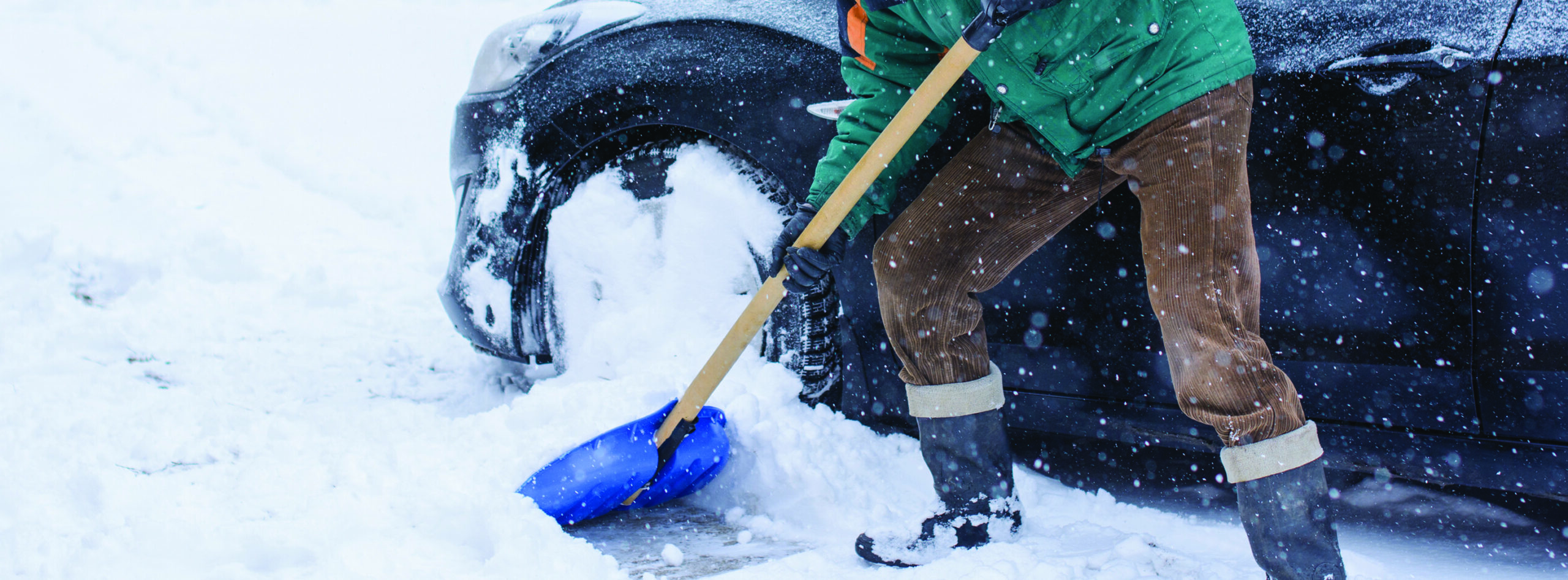
Snow Shoveling Places Intense Strain on the Heart
Shoveling snow demands more exertion than many people realize. Wet, compact snow is especially heavy, and the repetitive motion of lifting, twisting, and pushing quickly increases physical stress. People with underlying health concerns—and even those who do not know they have any—can experience cardiac episodes while clearing snow.
EMS crews frequently respond to these events during winter. If the patient needs urgent cardiac intervention at a specialized center, air medical transport may be used to expedite care.
Prevention
- Warm up before you start shoveling.
- Clear snow in smaller portions to avoid heavy loads.
- Push snow instead of lifting whenever possible.
- Avoid twisting your torso.
- Take breaks every 10 minutes.
- Stay hydrated.
- Stop immediately if you feel chest pressure, sudden fatigue, dizziness or discomfort in the jaw, arms or back.
- Ask for assistance if you have a history of cardiac problems.
Most cardiac emergencies linked to snow removal can be avoided by pacing yourself and recognizing early signs of strain.

Cold Exposure and Fatigue Make Winter Injuries Worse
Cold exposure often combines with another issue—like a fall or exhaustion—and escalates quickly. Individuals who fall outside, become stuck in deep snow or spend too long in freezing temperatures can experience early signs of hypothermia. Confusion, slowed speech and reduced coordination make it harder for them to seek help.
If a patient is exhibiting symptoms that require rapid warming or evaluation at a facility equipped for advanced treatment, air medical transport may be requested based on medical need.
Prevention
- Dress in layers and cover hands, ears and head.
- Carry a charged phone while outdoors in cold conditions.
- Keep blankets, gloves and a flashlight in your vehicle.
- Pace yourself when working in snow.
- Recognize early hypothermia indicators: shivering, confusion, slow movement or slurred speech.
Preparedness is key to preventing cold-related complications.
How Winter Conditions Shape EMS Response
During winter storms, EMS crews respond to more injuries in a shorter period of time: slip-related trauma, cold exposure, cardiac events, and weather-related incidents. These calls often require quick evaluation and medical decision-making. Air medical transport may be used when a patient’s condition requires rapid access to trauma, cardiac or specialty resources.
The decision to request air transport is based entirely on the patient’s needs and the medical judgment of the care teams involved.
How PHI Cares Membership Fits Into Winter Readiness
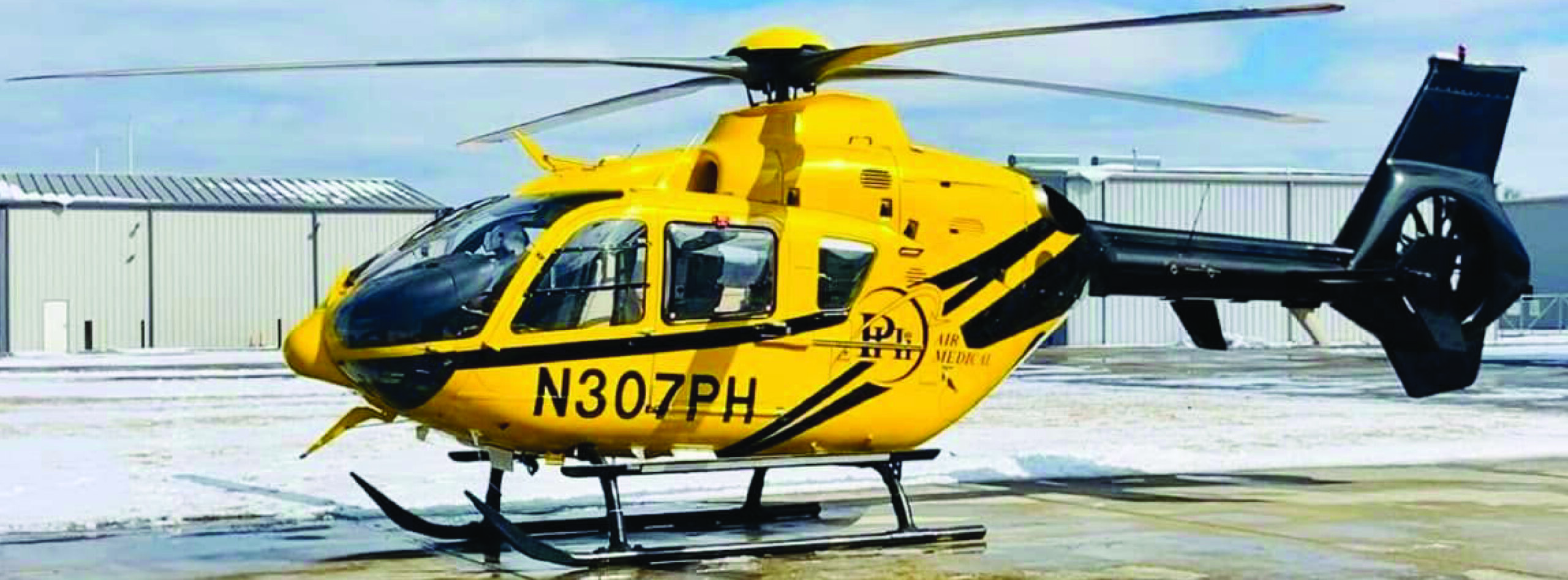
A PHI Cares Membership gives households financial protection if they are transported by an PHI Air Medical air ambulance during an emergency. These emergencies often begin with everyday tasks—walking out the front door, shoveling snow, starting the car, or checking on pipes. A membership helps reduce financial uncertainty if a medevac flight occurs.
Families often incorporate a PHI Cares Membership into their preparedness plans the same way they:
- stock emergency kits,
- service heating systems,
- prepare vehicles for winter,
- maintain walkways,
- and review storm-readiness supplies.
It becomes one practical step in an overall safety strategy for the season.
A Practical Winter Safety Checklist
- Salt walkways early and often.
- Replace footwear that has worn-out tread.
- Avoid rushing across icy or shaded areas.
- Stretch before clearing snow.
- Shovel in shorter intervals instead of one long session.
- Store blankets, gloves, and tools in your car.
- Check on older adults and neighbors.
- Keep outdoor lights on during cold spells.
- Avoid unnecessary travel during freezing conditions.
- Carry a charged phone when outdoors.
Each of these habits contributes to preventing the types of injuries EMS crews see more frequently in winter.
Winter Safety FAQs
Why does snow shoveling cause cardiac strain?
Shoveling heavy snow requires intense physical effort. Repeated lifting and twisting can place sudden stress on the heart.
How can I avoid slipping on ice?
Use ice melt early, wear traction footwear, keep hands free, walk slowly and use railings.
What are early symptoms of hypothermia?
Shivering, confusion, clumsy movement, slow speech and sudden fatigue.
How do winter storms affect EMS workloads?
Winter weather often leads to an increase in injuries such as slips, cold exposure and cardiac strain, resulting in more EMS calls within a shorter timeframe.
Why might a helicopter be used during a winter emergency?
A helicopter may be used when a patient’s condition requires rapid transport to trauma, cardiac or specialty centers.
How does PHI Cares Membership help during winter incidents?
PHI Cares Membership provides financial protection if someone is transported by PHI Air Medical during an emergency.
What is the best way to prepare for extreme cold?
Dress in layers, carry a charged phone, keep emergency supplies in your vehicle and avoid working outside alone in severe conditions.